


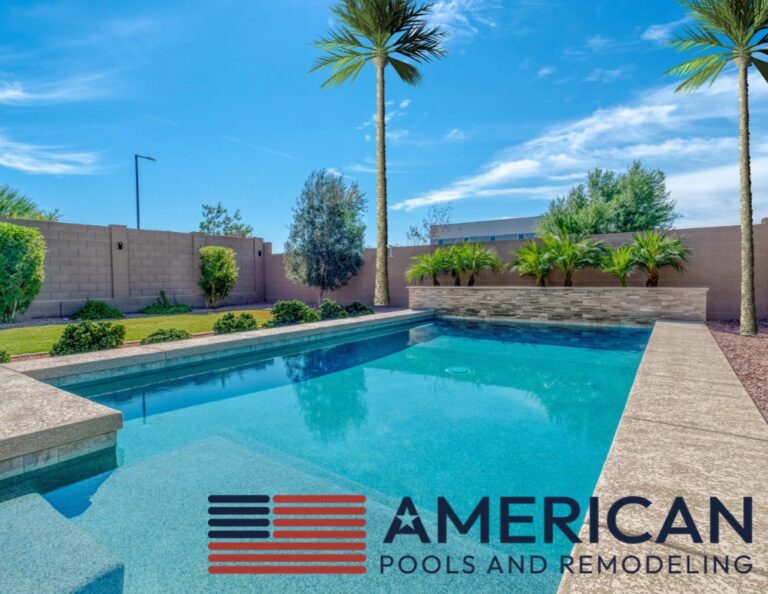
Why October Is a Turning Point for Arizona Pool Care
October finally starts to feel different in Arizona.
Daytime temperatures can still be warm across the East Valley, but cooler nights begin changing pool water temperatures and the conditions homeowners have been dealing with throughout the summer.
That does not mean pool care suddenly becomes less important.
Instead, October is a transition month. Chlorine demand can begin changing, evaporation starts to ease, fall debris becomes more noticeable, and the effects of months of Arizona heat and hard water are still present.
For pool owners in Chandler, Gilbert, Mesa, Queen Creek, Tempe, and Ahwatukee, October is a good reminder that Arizona pool care should follow actual conditions — not simply the season on the calendar.
October Pool Care Looks Different From September
September can still behave very much like summer in the East Valley.
Warm pool water, intense sunlight, evaporation, dust, and continued chlorine demand can remain significant well after Labor Day. That is why September is still summer when it comes to Arizona pool care.
By October, the transition usually becomes more noticeable.
Cooler nights gradually bring water temperatures down. Swimming may become less frequent. The intense conditions of July and August begin to fade.
But every backyard responds differently.
A pool receiving full afternoon sun may stay warmer than one with significant shade. Landscaping, water features, debris, pool size, equipment, and surrounding conditions can create additional differences.
That is one reason every Arizona pool needs different weekly pool service. The calendar can tell you what month it is, but the water and conditions around the pool determine what it actually needs.
Chlorine Demand Can Begin to Change
Arizona summer conditions are hard on chlorine.
High water temperatures, intense UV exposure, swimmers, debris, and other contaminants can all contribute to chlorine being consumed more quickly. We see the effects of chlorine loss in Arizona pools throughout the hottest months of the year.
October begins changing some of those conditions.
As water temperatures gradually cool and the intensity of summer begins to ease, chlorine demand may start changing as well.
But that does not mean an Arizona pool no longer needs regular testing and proper sanitation.
Chlorine, pH, alkalinity, calcium hardness, and other aspects of water balance still need attention throughout the fall. Chemical additions should continue to be based on actual water testing and what the individual pool needs.
This is also why some pools need more chemicals than others, even when they are located in the same East Valley neighborhood.
Clear Water Can Still Be Out of Balance
October is also a time when homeowners can be tempted to judge the condition of their pool by appearance alone.
The water is clear. Swimming has slowed down. Summer is over.
Everything must be fine.
Unfortunately, clear water does not tell the whole story.
A pool can look clean and inviting while sanitizer levels, pH, alkalinity, calcium hardness, or other aspects of water chemistry need attention.
This is particularly important after a long Arizona summer. Months of heat, evaporation, chemical additions, hard water, debris, and swimming can all influence the water.
Understanding why a clear pool isn’t always balanced is important throughout the year, including when cooler weather begins to arrive.
Arizona Hard Water Doesn’t Go Away in the Fall
One of the biggest long-term challenges for East Valley pools is hard water.
Throughout the summer, Arizona’s dry conditions cause significant evaporation. The water evaporates, but the minerals in that water remain behind.
Then more fill water is added.
That cycle repeats again and again through the hottest months of the year, gradually adding to the mineral content of the pool.
By October, cooler conditions may begin reducing evaporation, but they do not undo what happened throughout the summer.
Calcium and other dissolved material are still in the water, which is why Arizona pool owners need to think about water condition as an ongoing issue rather than something that disappears when temperatures drop.
Fall Debris Can Affect More Than Appearance
Summer may bring dust and monsoon debris, but fall introduces its own challenges.
Leaves and landscaping debris can become more noticeable as the season changes. Depending on the backyard, that material can collect quickly on the water surface, pool floor, in skimmer baskets, pump baskets, cleaners, and eventually the filter.
And debris is not only a cleaning issue.
Organic material sitting in the water can affect sanitizer demand and overall water conditions. Fine debris can also add to the workload placed on the filtration system.
This is why pool debris affects water chemistry, not just how clean the pool looks.
Keeping debris under control remains an important part of October pool care even as swimming activity begins to slow.
Summer Wear Can Start Showing Up in Pool Equipment
By October, pool equipment has just worked through another demanding Arizona summer.
Extreme heat can be hard on pumps, filters, valves, seals, plumbing, cleaners, and other components of the pool system.
Not every pool will develop a problem after summer, but this is a good time to continue paying attention to changes.
A small leak, unusual pump noise, air entering the system, weaker return flow, a cleaner that is not moving properly, or another change in normal operation can be an early sign that something needs attention.
Small equipment problems are often easier to address before they develop into larger ones. Waiting can be one reason pool repairs cost more after they’re ignored.
October does not mean equipment automatically needs repair or replacement. It simply means the equipment has just been through some of the toughest operating conditions Arizona has to offer.
Should You Drain Your Pool in the Fall?
This is a common question as Arizona moves out of summer.
Fall does not automatically mean a pool needs to be drained.
The decision should be based on the condition of the pool and its water rather than the month on the calendar.
Arizona’s hard water, evaporation, fill water, chemical history, and the length of time since the last water reset can all influence water quality over time.
That is why there is not one universal answer for how often to drain an Arizona pool.
Some pools may reach a point where draining and replacing the water makes sense. Others may not.
Cooler weather alone is not the reason.
Less Swimming Doesn’t Mean Less Attention
Once temperatures begin cooling, many East Valley families naturally use their pools less often.
But the pool remains outside every day.
Sunlight still reaches the water. Leaves and debris still fall into it. Water chemistry continues changing. Baskets and filters continue collecting material. Equipment continues operating.
The needs may change, but the need for consistent care does not.
That is why weekly pool service changes throughout the Arizona year rather than simply stopping when swimming season slows down.
Regular cleaning, water testing and balancing, basket cleaning, filtration and circulation monitoring, and equipment checks remain important as the pool transitions from summer into fall.
October may finally bring relief from Arizona’s most extreme summer conditions, but for the pool, it is simply the beginning of a different season of care.
Frequently Asked Questions About October Pool Care in Arizona
Quick answers to common questions about fall pool care, water chemistry, debris, equipment, and year-round service in Arizona.
Yes. Weekly pool service is important year-round in Arizona. Pools still need regular cleaning, water testing and balancing, and equipment checks throughout the fall.
It can. Cooler water and changing conditions may affect chlorine demand, but chlorine levels should always be based on regular water testing.
Yes. Clear water can still have improper chlorine, pH, alkalinity, calcium hardness, or other water-balance issues.
Fall can bring more leaves and landscaping debris into East Valley pools, affecting baskets, filters, and water conditions.
Yes. Cooler temperatures do not remove the minerals that accumulated through months of evaporation and refilling.
Not simply because it is fall. Draining should be based on the condition of the pool water, not the season alone.
Watch for leaks, unusual pump noise, air in the system, weak circulation, cleaner problems, or other changes in normal operation.
Not in the traditional sense. Year-round pool care is important in Arizona, even when swimming slows down and seasonal conditions begin to change.
October Is a Transition — Not an Off-Season
October may bring cooler temperatures to the East Valley, but Arizona pools still need consistent care.
Changing water conditions, debris, hard water, and equipment concerns do not disappear when summer ends. Staying consistent throughout the year helps keep the pool clean, balanced, and operating properly as conditions change.
American Pools & Remodeling provides year-round weekly pool service, maintenance and repairs, and pool remodeling throughout Chandler, Gilbert, Mesa, Queen Creek, Tempe, and Ahwatukee.
Keep Your Arizona Pool Ready Year-Round
Need dependable weekly pool service or help with a maintenance or repair issue?
Our team provides experienced pool care built around Arizona conditions.
American Pools & Remodeling LLC
Licensed • Bonded • Insured
ROC 354926 • 355295 • 349040 • 349034
Serving Chandler, Gilbert, Mesa, Queen Creek, Tempe & Ahwatukee
Built for Arizona Pools
Comments are closed