

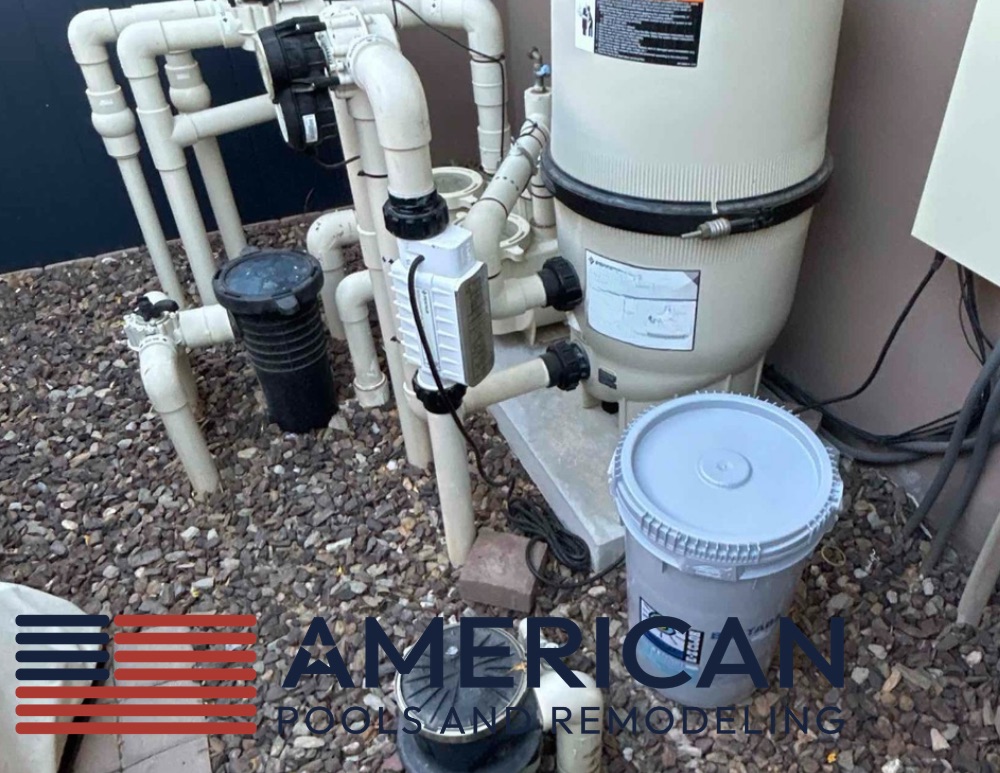
Do Saltwater Pools Still Need Chemicals in Arizona?
Many Arizona homeowners believe that installing a saltwater system eliminates the need for chlorine and other pool chemicals. While salt systems offer a convenient way to produce chlorine, they do not automatically maintain balanced water chemistry or replace regular pool care.
Arizona’s extreme summer heat, hard water, and seasonal temperature changes create additional challenges for saltwater pools. Understanding how these systems work—and what they don’t do—helps homeowners avoid water quality problems and unnecessary equipment repairs.
Saltwater Pools Still Use Chlorine
Despite the name, saltwater pools are still chlorine pools. A salt chlorine generator uses dissolved salt and an electrically powered cell to produce chlorine as water circulates through the system.
Instead of relying entirely on chlorine tablets or liquid chlorine, a salt system generates chlorine under the proper operating conditions.
However, producing chlorine does not mean the water is automatically balanced. A salt system cannot control every aspect of water chemistry, and clear pool water isn’t always properly balanced.
Saltwater Pools Still Need Additional Chemicals
One of the biggest misconceptions about saltwater pools is that adding salt eliminates the need for other chemicals. In reality, saltwater pools require regular water testing and chemical adjustments just like traditionally chlorinated pools.
Important water chemistry factors include:
- Chlorine: Supplemental chlorine is required when the salt system stops producing chlorine or cannot meet the pool’s demand.
- pH: Saltwater pools often experience rising pH that requires adjustment.
- Total Alkalinity: Helps maintain stable pH levels.
- Calcium Hardness: Requires attention because of Arizona’s naturally hard water.
- Cyanuric Acid: Protects chlorine from rapid breakdown caused by sunlight.
- Salt Concentration: Must remain within the manufacturer’s recommended range.
A functioning salt system cannot prevent algae, scale, or equipment damage when water chemistry is neglected. Arizona’s intense sunlight and mineral-heavy water make proper chemical balancing particularly important.
Every pool has different chemical needs based on water conditions, equipment, and usage. This is why some Arizona pools require more chemicals than others, even when they use similar sanitation systems.
Why Saltwater Pools Stop Producing Chlorine in Cooler Weather
Many homeowners are surprised when their saltwater system stops generating chlorine as Arizona temperatures begin to drop.
Salt chlorine generators have operating temperature limits. During cooler weather, many systems automatically reduce or stop chlorine production as the pool water gets colder. This is often a normal operating function rather than an equipment malfunction.
When a salt system stops producing chlorine, supplemental chlorine is necessary to maintain proper sanitation.
Although chlorine demand generally decreases during cooler months, pools still require adequate sanitizer levels throughout the winter.
This is one reason year-round weekly pool service remains important. Arizona’s cooler weather changes chemical requirements, but it does not eliminate them.
Arizona Summer Heat Creates Different Challenges
Saltwater pools face different challenges during Arizona’s hottest months. Intense sunlight breaks down chlorine more quickly, while warmer water, increased swimming activity, and environmental debris can increase chlorine demand.
Even a properly functioning salt system may struggle to produce enough chlorine under these conditions, particularly if the system is undersized or its production settings are inadequate.
Regular testing is necessary to determine whether the pool has sufficient chlorine. Supplemental chlorine may also be needed during periods of increased demand.
Understanding why chlorine disappears so quickly in Arizona pools is important regardless of how the pool produces or receives its sanitizer.
Saltwater Pools Still Need Regular Cleaning
A saltwater system sanitizes pool water, but it does not remove dirt, dust, leaves, or other debris. Saltwater pools still require the same physical cleaning and equipment maintenance as traditional chlorine pools.
Regular pool care includes:
- Skimming debris and emptying baskets
- Brushing walls, steps, and other surfaces
- Vacuuming when necessary
- Testing and balancing water chemistry
- Maintaining proper circulation and filtration
- Checking equipment for developing problems
Arizona’s dust, landscaping debris, and seasonal weather conditions affect saltwater pools throughout the year.
Without consistent cleaning, debris can accumulate, filtration can become restricted, and water quality can deteriorate. Proper pool filter cleaning and maintenance remains essential because a salt system cannot compensate for poor filtration.
Salt Cells Require Maintenance and Eventually Replacement
Salt chlorine generators contain cells that require periodic attention. Arizona’s hard water can contribute to calcium buildup on the cell, potentially interfering with chlorine production.
Although many systems include features that help reduce calcium accumulation, salt cells still need to be checked for buildup, wear, and operating problems.
Common warning signs include:
- Low chlorine levels despite normal operation
- Salt system warning lights or error messages
- Excessive calcium buildup on the cell
- Flow-related errors
- Reduced or inconsistent chlorine production
These symptoms do not always mean the salt cell needs replacement. Incorrect salt levels, water temperature, circulation problems, or system settings may also affect performance.
Salt cells eventually wear out and require replacement. Cleaning should follow manufacturer recommendations, as unnecessary acid cleaning can shorten cell life.
Like pumps and filters, salt systems are part of the pool equipment that requires proper maintenance and repairs.
Choosing the Right Salt System for Your Arizona Pool
One of the most overlooked aspects of installing a saltwater system is selecting the correct size and ensuring compatibility with the pool’s existing equipment.
Salt chlorine generators are rated for different pool capacities, but choosing a system based solely on the manufacturer’s advertised gallon rating can be misleading. Pool volume, chlorine demand, circulation, and existing equipment all influence which system is appropriate.
An undersized salt system may struggle to maintain adequate chlorine levels during Arizona’s hottest months, even when operating correctly. Proper sizing helps the system meet the pool’s chlorine needs without consistently operating at its maximum capacity.
Existing pumps, plumbing, filtration, and automation equipment should also be considered when selecting or replacing a salt system. Not every system is compatible with every equipment configuration.
Homeowners considering a new saltwater system or replacing an existing one should have their pool size and equipment setup evaluated before choosing a system. Selecting the right equipment from the beginning helps support reliable operation and avoid unnecessary performance problems.
Common Questions About Saltwater Pools in Arizona
Saltwater pools still need chemicals, regular cleaning, and properly functioning equipment. Here are answers to common questions Arizona homeowners have about salt systems.
Yes. Saltwater pools still require chlorine, pH adjustments, alkalinity control, and proper calcium and stabilizer levels. A salt system produces chlorine but does not automatically balance the water.
Yes. Supplemental chlorine is necessary when the salt system stops producing chlorine or cannot keep up with the pool's demand, especially during cooler weather or periods of heavy use.
Many salt systems automatically reduce or stop chlorine production when water temperatures drop. This is a normal operating feature, but the pool still needs supplemental chlorine.
Yes. Inadequate chlorine, poor circulation, or neglected water chemistry can allow algae to develop, even when a salt system is installed.
Low chlorine production, warning lights, and recurring errors may indicate a failing cell. However, water chemistry, flow, and system settings should be checked before replacing it.
Yes. A salt system must be properly sized for the pool's volume, chlorine demand, and existing equipment. An undersized system may struggle to maintain chlorine levels during Arizona's hottest months.
Saltwater Pool Maintenance & Repairs in Arizona
Saltwater pools still need proper chemicals, regular cleaning, and reliable equipment throughout the year. Whether your salt system isn’t producing enough chlorine, your salt cell needs replacement, or you’re considering a new salt system, choosing the right equipment makes a difference.
American Pools & Remodeling LLC provides professional pool maintenance, repairs, and salt system installation throughout Chandler, Gilbert, Mesa, Queen Creek, Tempe, and Ahwatukee. As a licensed Arizona pool contractor with over 15 years of experience, we can help determine the right salt system for your pool size and existing equipment.
American Pools & Remodeling
Licensed • Bonded • Insured
Serving Chandler, Gilbert, Mesa, Queen Creek, Tempe, and Ahwatukee
Built for Arizona Pools
Comments are closed