

Why the Same Arizona Pool Can Need Different Attention From One Week to the Next
Weekly pool service should respond to what your pool actually needs — because those needs can change from one visit to the next.
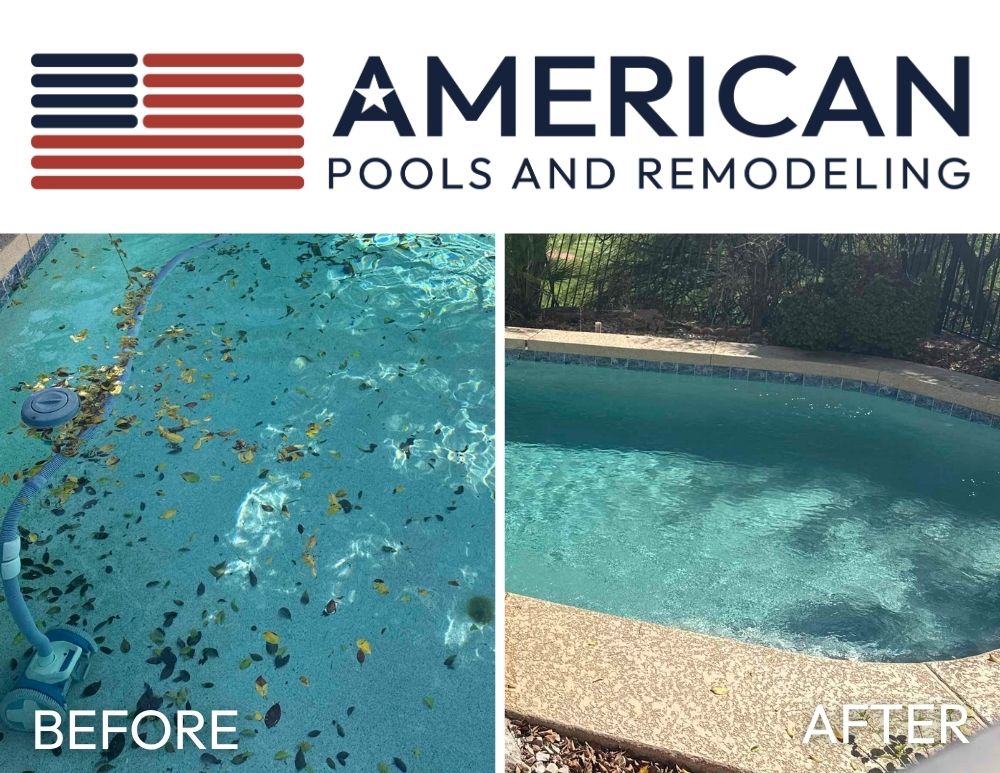
An Arizona swimming pool can look completely different from one week to the next.
One week, the water may be clear, the baskets nearly empty, and the chemistry relatively stable. Seven days later, that same pool may have collected dust and leaves, experienced heavier swimming, lost more water to evaporation, or require different chemical adjustments.
That does not necessarily mean something is wrong.
Pools constantly respond to their surroundings, and Arizona adds particularly demanding conditions. Heat, intense sunlight, wind, dust, evaporation, landscaping, swimmers, storms, and equipment performance can all influence what a pool needs.
Just as every Arizona pool needs different weekly pool service, the needs of an individual pool can also change from one visit to the next.
Every Pool Has Its Own Normal
Two pools can be the same size, located in the same neighborhood, and still behave very differently.
One may receive full afternoon sun while the other is partially shaded. One may be surrounded by mature trees while another backs up to open desert. One family may swim every day while another uses the pool primarily on weekends.
Equipment, plumbing, pool surface, water features, landscaping, and the age of the water can create additional differences.
These variables are also why some pools need more chemicals than others. Comparing one pool directly to a neighbor’s does not necessarily tell you how either pool should be maintained.
Regular service creates a baseline for an individual pool — how its water typically tests, how much debris it collects, how its equipment normally operates, and what it generally needs to stay clean and balanced. Changes from that normal can then be easier to recognize.
Weather, Debris, and Pool Use Can Change Quickly
Arizona does not need a major storm for outdoor conditions to affect a swimming pool.
A few windy afternoons can introduce significant amounts of dust, leaves, pollen, insects, and landscaping debris. A late monsoon storm can add considerably more in a matter of minutes.
Once that material enters the water, it does more than affect appearance. Organic material and fine debris can increase sanitizer demand, fill baskets, and place additional demand on the filtration system. This is one reason pool debris affects water chemistry, not just how clean the pool looks.
Swimming creates another variable.
A quiet week and a busy weekend in the pool can produce very different water conditions. Swimmers introduce sunscreen, body oils, sweat, lotions, dirt, and other contaminants that chlorine and the filtration system must handle.
This is also one reason a pool can still get dirty with weekly service. Regular service manages the changing conditions of an outdoor swimming pool, but it cannot prevent dust, swimmers, landscaping debris, and weather from affecting the water during the days between visits.
What happens in the backyard between service days matters.
Water Chemistry Changes With Conditions
Water chemistry is not static, especially in Arizona.
During hotter periods, intense sunlight and warm water can increase the rate at which chlorine is consumed. Add heavy swimming, blowing dust, or storm debris, and sanitizer demand can increase further.
That is why chlorine loss in Arizona can vary from one week to another even when there is no problem with the pool itself.
Evaporation also plays an important role. Arizona’s heat, dry air, wind, and sunshine continually remove water from swimming pools. When fresh water is added to replace what evaporates, additional minerals enter the pool.
The water can evaporate, but those minerals remain. Over time, that contributes to the hard water conditions common in Arizona pools.
Water level can affect circulation as well. If it becomes too low, the skimmer may begin drawing air into the system and interfere with normal pump operation.
All of these factors are why appearance alone is not enough to evaluate pool water. A pool can look perfectly clear while pH, sanitizer, alkalinity, calcium hardness, or other aspects of water balance need attention. Clear water isn’t always balanced water, which is why regular testing remains important even when a pool looks great.
Rather than assuming a pool requires the same chemical treatment every visit, water should be tested and adjusted according to its actual condition.
Filtration and Equipment Conditions Change Too
Changing conditions affect more than the water.
A calm week with little swimming may place relatively little additional load on a pool filter. After several windy days, a dust storm, landscaping work, or heavy swimming, the filtration system may have considerably more material to remove.
Fine Arizona dust, pollen, landscaping debris, and swimmer contaminants eventually make their way into the filter. As that material accumulates, water flow can become restricted and filtration performance can decline.
Regular pool filter cleaning helps maintain proper circulation, but how quickly a filter becomes dirty depends heavily on the individual pool and its surroundings.
Equipment conditions can change between visits too.
A pump that sounded normal the previous week may develop an unusual noise. A valve may begin leaking. A pump lid seal may start allowing air into the system. Return flow may become weaker, or bubbles may suddenly appear in the pool.
These can be signs of air in the pool lines, circulation problems, worn seals, or another developing equipment issue.
Not every change means a major repair is needed. Regular observation simply makes it more likely that something unusual will be noticed before it becomes a larger problem.
Consistency Makes Changes Easier to Recognize
One of the advantages of consistent weekly pool service is familiarity.
When the same technician regularly services a pool, they become familiar with its typical water level, debris load, filter pressure, equipment sounds, chemical demand, and overall condition.
Something that might not seem significant during a one-time visit can stand out when compared with previous weeks.
That is why what a pool service technician checks every week extends beyond skimming the surface and adding chemicals.
The core responsibilities remain consistent: cleaning the pool, testing and balancing the water, emptying baskets, monitoring circulation and filtration, and inspecting the equipment. But regular service also provides continuity from one visit to the next.
That continuity can make changes easier to recognize and address.
Weekly Service Should Respond to What the Pool Needs
Professional weekly pool service should provide a consistent standard of care without assuming every visit will be identical.
Some weeks may require more cleaning. Others may require different chemical adjustments or closer attention to filtration or equipment.
The goal is simple: evaluate the pool as it is that week, perform the maintenance it needs, and keep it clean, balanced, and operating properly throughout the year.
Frequently Asked Questions About Weekly Pool Service in Arizona
Arizona pool conditions can change quickly between visits. Here are answers to common questions about why the same pool may need different attention from one week to the next.
No. Chemical demand can change with water temperature, sunlight, swimming, debris, evaporation, weather, and overall water balance.
This is why chemicals should be added based on actual water testing and what the pool needs rather than assuming the same amount is necessary every week.
Wind, landscaping, storms, nearby yard work, swimmers, pets, and seasonal debris can all change how much material enters a pool between service visits.
Even a well-maintained pool can collect considerably more debris during one week than another.
Yes. Arizona's heat, intense UV exposure, evaporation, dust, storms, and changing swimmer activity can affect water conditions surprisingly quickly.
Equipment conditions can change between visits as well, which is another reason weekly service includes more than simply cleaning the pool.
No. The core service should remain consistent, but the pool's needs may not be.
Cleaning, water testing and balancing, basket cleaning, circulation and filtration monitoring, and equipment inspection remain important every week. The amount of attention each area requires should be based on the pool's condition during that visit.
A consistent technician becomes familiar with how a particular pool normally looks and operates.
Changes in water level, debris, filter pressure, circulation, equipment sounds, or other conditions may be easier to recognize when the technician has a familiar baseline for comparison.
Weekly service provides an opportunity to notice visible or operational changes such as leaks, unusual pump sounds, air entering the system, reduced circulation, or changes in filter pressure.
Not every change indicates a major repair, but identifying something unusual early can help prevent a smaller issue from going unnoticed.
Weekly Pool Service Built Around What Your Pool Actually Needs
Your pool does not experience exactly the same conditions every week, so maintaining it properly requires more than repeating the same routine at every visit.
At American Pools & Remodeling, our year-round weekly pool service includes cleaning, water testing and balancing, basket cleaning, circulation and filtration monitoring, equipment inspections, and detailed service reports with photos.
Our usage-based chemical pricing follows the same approach. You pay for the chemicals your pool actually uses rather than a predetermined monthly chemical charge. Because chemical demand can change with heat, sunlight, swimming, debris, water conditions, and the time of year, this provides a transparent way to account for what your individual pool actually needs.
Consistent weekly care combined with service that responds to your pool’s actual conditions helps keep the water clean and balanced while allowing developing equipment or circulation issues to be noticed along the way.
If you’re looking for dependable residential weekly pool service in Chandler, Gilbert, Mesa, Queen Creek, Tempe, or Ahwatukee, American Pools & Remodeling is ready to help.
American Pools & Remodeling
Licensed • Bonded • Insured
Serving Chandler, Gilbert, Mesa, Queen Creek, Tempe, and Ahwatukee
Built for Arizona Pools
Comments are closed