

How Hard Water Pool Damage Happens in Arizona (And How to Prevent It)
Hard water pool damage in Arizona is one of the most common causes of long-term surface wear and equipment failure. In areas like Chandler, Gilbert, Mesa, Queen Creek, and Tempe, high mineral content in the water combined with extreme heat creates the perfect conditions for calcium buildup.
If left untreated, hard water doesn’t just affect how your pool looks—it slowly damages surfaces, reduces equipment efficiency, and increases maintenance costs over time.
Why Hard Water Pool Damage Happens Faster in Arizona
Arizona’s water supply contains naturally high calcium levels. As water evaporates—especially during spring and summer—those minerals stay behind and become more concentrated.
This process accelerates hard water pool damage in Arizona because:
• High evaporation leaves minerals behind
• Frequent refilling adds more calcium
• Heat increases scaling and buildup
Over time, this leads to excessive mineral accumulation that standard chemical balancing alone cannot fully control.
This is also why many homeowners eventually need to drain a pool in Arizona to reset water chemistry and remove excess minerals.
How Hard Water Pool Damage Affects Pool Surfaces
One of the earliest signs of hard water pool damage in Arizona appears on your pool surfaces.
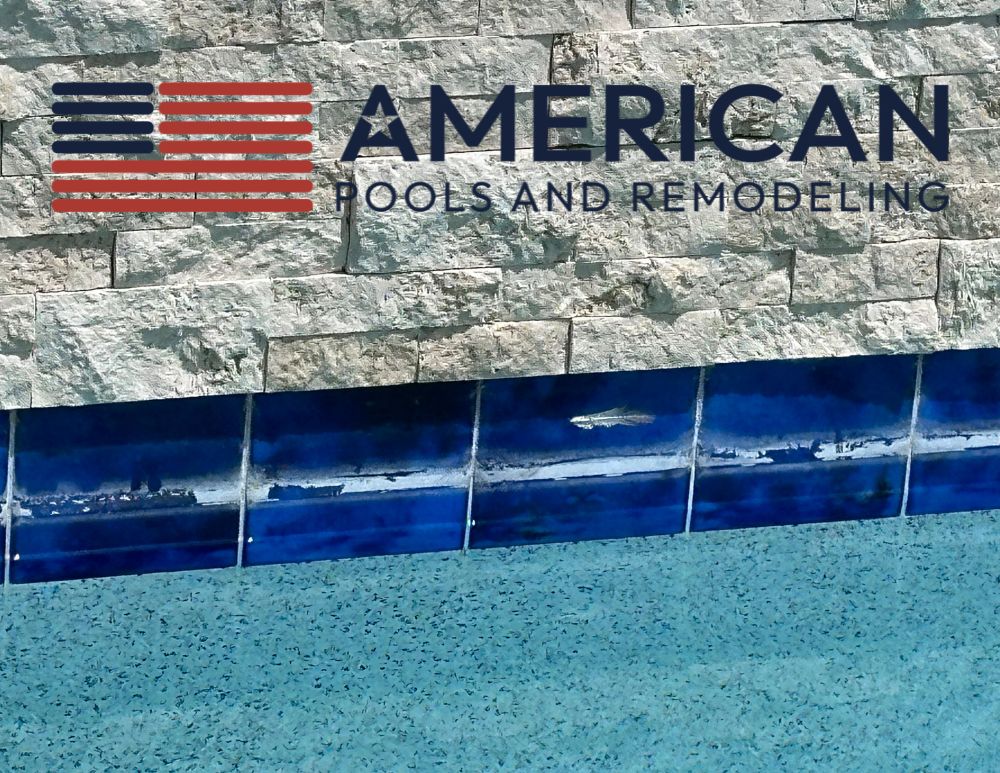
Calcium scale begins forming along the tile line and can spread across plaster, pebble, or other finishes. What starts as a light residue can turn into thick, hardened deposits that are difficult to remove.
Common surface issues include:
• Calcium buildup on tile and waterline
• Rough or deteriorating surface texture
• Staining and discoloration
• Dull or cloudy appearance
As buildup worsens, it can permanently damage the finish and require more aggressive solutions.
Professional tile cleaning in Arizona pools is often needed to remove calcium deposits before they become severe. In more advanced cases, homeowners begin considering pool resurfacing in Arizona to restore the surface completely.
How Hard Water Pool Damage Affects Equipment
Hard water pool damage in Arizona also impacts your equipment—often before you even notice visible problems.
As calcium levels rise, scale begins forming inside your plumbing, filter, and heating systems. This restricts water flow and forces your equipment to work harder than it should.
Common equipment problems include:
• Reduced filtration efficiency
• Clogged or restricted plumbing lines
• Increased system pressure
• Premature wear on pumps and heaters
Over time, this leads to breakdowns and higher repair costs. If your system is already struggling, it may be time to evaluate pool equipment replacement in Arizona before failure occurs.
Why Hard Water Makes Pool Chemistry Harder to Control
Hard water pool damage in Arizona is closely tied to water chemistry challenges.
As calcium and total dissolved solids increase, it becomes harder to maintain balanced water. Chlorine becomes less effective, and the risk of cloudy water or algae increases.
This happens because:
• High mineral levels interfere with sanitizer performance
• Water balance becomes unstable
• Chemical adjustments become less effective over time
Even with proper maintenance, water eventually reaches a point where it can no longer be corrected through standard treatments alone.
That’s why understanding how often to drain your pool in Arizona is critical for long-term water quality.
Long-Term Effects of Hard Water Pool Damage in Arizona
Hard water pool damage in Arizona builds gradually, but the long-term impact can be significant.
Without proper management, it can lead to:
• Permanent surface damage
• Reduced equipment lifespan
• Higher ongoing maintenance costs
• More frequent repairs and downtime
Many pools reach a point where basic maintenance is no longer enough, and more involved work becomes necessary.
At that stage, homeowners often explore pool remodeling upgrades in Arizona to correct damage and prevent future issues.
How to Prevent Hard Water Pool Damage in Arizona
You can’t eliminate hard water in Arizona, but you can control how much damage it causes.
The key is consistency and early intervention.
Best practices include:
• Regular water testing and balancing
• Brushing surfaces to prevent buildup
• Monitoring calcium hardness levels
• Scheduling periodic tile cleaning
• Draining and refilling when needed
Ongoing maintenance is what keeps mineral levels from getting out of control.
This is why many homeowners rely on weekly pool service in Arizona to stay ahead of hard water issues and protect their investment.
Frequently Asked Questions About Hard Water Pool Damage in Arizona
Hard water damage can begin forming within weeks due to high evaporation and mineral content, but visible buildup and damage typically develop over months if not managed.
The most common early sign is calcium buildup along the tile line or a dull, cloudy appearance in the water.
Yes. Calcium scale builds up inside pipes, filters, and heaters, reducing efficiency and leading to premature failure.
Draining is the most effective way to reset water chemistry when mineral levels are too high, but regular maintenance can delay how often it’s needed.
Consistent water balancing, brushing, monitoring calcium levels, regular service, and periodically draining your pool to reset water chemistry are the most effective ways to prevent long-term damage.
Bottom Line
Hard water pool damage in Arizona is unavoidable—but expensive damage is not.
When mineral buildup is managed properly, your pool stays cleaner, your equipment lasts longer, and your overall costs stay lower.
The difference comes down to consistency, monitoring, and taking action before problems escalate.
Before Hard Water Damage Gets Worse
Hard water pool damage in Arizona doesn’t fix itself—and it only gets worse over time.
What starts as minor calcium buildup can quickly turn into surface damage, equipment strain, and expensive repairs if it’s not addressed early. In the East Valley, this process happens faster due to heat, evaporation, and constant mineral exposure.
Staying ahead of hard water is what keeps your pool looking clean, running efficiently, and avoiding unnecessary costs.
Protect your pool from hard water damage before it turns into costly repairs.
American Pools & Remodeling
Licensed • Bonded • Insured
Serving Chandler, Gilbert, Mesa, Queen Creek, and Tempe
Built for Arizona Pools
Comments are closed