

Pebble Pool Resurfacing in Arizona: Why It Lasts Longer Than Plaster
Arizona pools operate in one of the harshest environments in the country. Extreme UV exposure, prolonged summer heat, high evaporation rates, and mineral-heavy water all accelerate interior surface wear. If your pool is rough, stained, faded, or beginning to etch, it may be time to consider pool resurfacing in Arizona.
When evaluating finish options, many homeowners ask the same question: plaster vs pebble — which lasts longer in Arizona?
In Southeast Valley conditions, a professionally installed pebble finish consistently outperforms traditional plaster in durability, longevity, and long-term value.
Pool Resurfacing Arizona: Why Material Choice Matters
Pools in Chandler, Gilbert, Mesa, Queen Creek, and Tempe experience near year-round use. Combined with desert conditions, this creates accelerated surface breakdown.
Arizona pools face:
Intense sun exposure
High water temperatures
Elevated calcium hardness
Faster chemical consumption
Traditional plaster is more porous, making it vulnerable to staining, etching, and mineral damage. Over time, this leads to rough texture and surface deterioration.
Proper pool resurfacing Arizona homeowners can rely on means choosing materials engineered for desert conditions — not just the lowest upfront price.
Plaster vs Pebble: Understanding the Difference
Traditional plastering applies a new cement-based surface over the existing shell. It offers a smooth appearance and may come in at a slightly lower upfront cost. However, in Arizona’s harsh desert climate, plaster is more vulnerable to mineral-heavy water, calcium scaling, surface etching, and prolonged UV exposure.
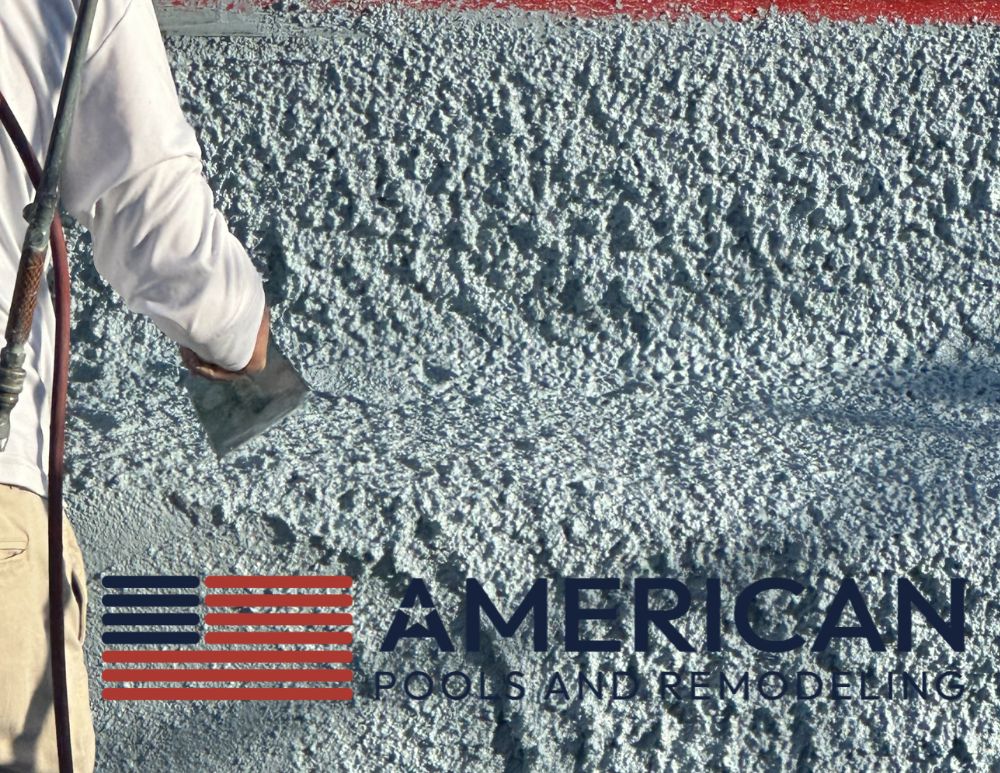
A pebble finish uses natural stone aggregates embedded within a cement matrix. Once exposed, the stone creates a dense, textured surface engineered for durability and structural stability in demanding environments.
In Arizona, pebble finishes provide:
- Long-term durability designed for desert conditions
- Greater resistance to staining and calcium scaling
- Improved performance in mineral-heavy water
- Enhanced structural integrity over time
- Better color stability under intense UV exposure
- Reduced need for future resurfacing compared to traditional plaster
Pebble resurfacing is one of the most impactful pool remodeling upgrades in Arizona, especially when part of a larger renovation plan.
Installation Quality Matters More Than Material Alone
Even the best finish can fail if improperly installed.
Resurfacing is a structural process that requires:
Proper chip-out when necessary
Surface preparation and cleaning
Bond coat application
Correct mix ratios
Controlled installation timing
Proper startup and chemical balancing
Failure in any of these steps can lead to delamination, hollow spots, discoloration, or premature cracking.
That is why hiring a licensed Arizona contractor is critical. Licensed, bonded, and insured workmanship protects your investment — especially on major renovations like interior resurfacing.
Built for Southeast Valley Conditions
Resurfacing a pool in Arizona is not comparable to coastal or humid climates. Chandler, Gilbert, Mesa, Queen Creek, and Tempe all experience intense thermal cycling and high calcium levels.
Understanding how often to drain a pool in Arizona helps protect interior finishes from long-term mineral damage and surface deterioration.
Surface longevity depends not only on material selection but also on water management and proper maintenance.
Long-Term Value: Pebble vs Plaster
When homeowners evaluate resurfacing options, the real consideration is long-term performance — not just upfront cost.
While traditional plaster may come in slightly lower initially, the difference is often smaller than many expect. In Arizona’s harsh desert conditions, surface durability and resistance to mineral damage play a much bigger role in overall value.
Pebble finishes are engineered for extended durability, improved stain resistance, and stronger long-term structural performance. That means fewer surface issues, reduced risk of premature wear, and greater finish stability over time.
If you are planning a broader pool remodeling upgrade, resurfacing with pebble creates a durable foundation for tile updates, decking improvements, and equipment modernization.
For many Southeast Valley homeowners, pebble resurfacing offers stronger long-term value and greater peace of mind.
FAQ: Pool Resurfacing in Arizona
In Arizona’s harsh climate, traditional plaster typically wears faster. A properly installed pebble finish is built for longer-term performance and greater resistance to mineral damage.
In most cases, yes. Pebble finishes offer stronger durability, improved stain resistance, and better long-term performance in Arizona’s mineral-heavy water and intense sun exposure.
Common signs include rough texture, persistent staining, visible surface etching, small cracks, or plaster dust in the water. In Arizona, mineral-heavy water and intense sun exposure can accelerate surface wear, making professional evaluation important before damage worsens.
Resurfacing is a structural renovation. Hiring a licensed Arizona contractor ensures proper preparation, compliance with state standards, and long-term workmanship accountability.
Considering Pool Resurfacing in Arizona?
If your pool interior is aging, rough, or stained, upgrading to a pebble finish may be the last resurfacing your pool needs for decades.
American Pools & Remodeling provides licensed pool resurfacing in Arizona, serving homeowners throughout Chandler, Gilbert, Mesa, Queen Creek, and Tempe.
American Pools and Remodeling
Licensed • Bonded • Insured
Serving Chandler, Gilbert, Mesa, Queen Creek, and Tempe
Built for Arizona Pools
Comments are closed