

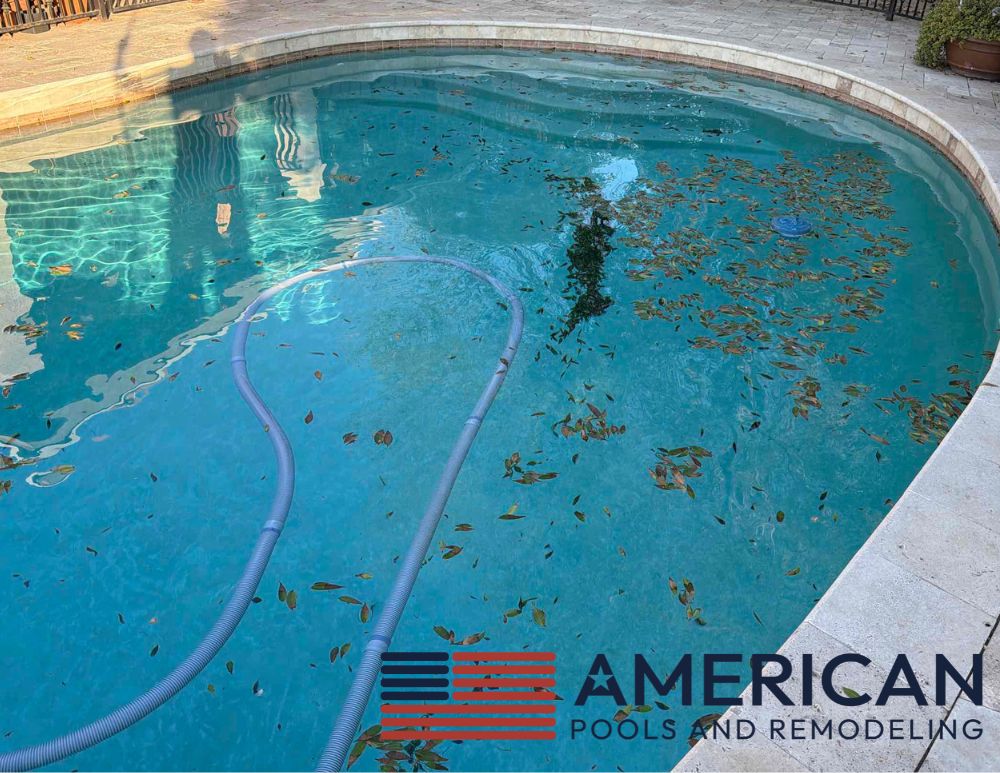
How Pool Debris Affects Water Chemistry in Arizona (And What Homeowners Can Do About It)
Arizona pools collect much more than just leaves.
Dust, pollen, grass clippings, palm seeds, flowers, insects, and debris from nearby landscaping all end up in the water. While debris may seem like a cosmetic problem, it has a significant impact on water chemistry, chlorine demand, filtration, and the overall health of your pool.
The longer debris remains in the water, the harder your chemicals and equipment have to work.
Organic Debris Uses Up Chlorine
Every leaf, flower, seed pod, and blade of grass that lands in your pool immediately begins breaking down.
As organic material decomposes, chlorine is consumed sanitizing that material before it can protect the rest of the pool water.
This is one of the biggest reasons some pools need more chemicals than others, especially during Arizona summers. Heat and organic debris work together, increasing chlorine loss and making it more difficult to maintain proper sanitizer levels. Heavy debris is also one of the reasons pool chemicals don’t last as long as many homeowners expect.
Debris Creates Food for Algae
Organic debris doesn’t just consume chlorine—it also feeds algae.
Leaves sitting on the bottom of the pool, debris trapped in corners, and organic material collecting behind ladders all provide nutrients that encourage algae growth.
A pool can appear perfectly clean while clear water isn’t balanced, especially when debris has been sitting in the water for several days.
Removing debris quickly helps prevent water quality problems before they become expensive repairs.
Empty Skimmer and Pump Baskets
One of the easiest ways to improve pool performance is by keeping skimmer and pump baskets clean.
When baskets become packed with leaves and debris, water cannot move efficiently through the system.
Restricted water flow often leads to pool circulation problems, making it harder for chemicals to reach every area of the pool. Over time, poor circulation can also contribute to common pool equipment problems that place unnecessary strain on pumps and filters.
Keep Landscaping Trimmed
Beautiful landscaping is one of the biggest sources of pool contamination.
Trees, shrubs, flowers, and nearby grass constantly introduce leaves, pollen, and organic debris into the water.
Keeping landscaping trimmed helps reduce:
- Leaves
- Grass clippings
- Pollen
- Organic debris
Wind, dust, and debris often work together to increase chlorine demand while making your filtration system work much harder. These changing conditions are also one reason pool water changes so fast in May, especially as temperatures continue rising.
Organic debris also combines with Arizona’s hard water conditions, making routine maintenance even more important throughout the swimming season.
Make Sure Your Pump Runs Long Enough
Your pool can only remove debris while water is circulating.
If the pump does not run long enough, leaves and fine debris remain in the water, organic material continues breaking down, and chlorine must work harder to keep the pool sanitized.
Proper circulation helps:
- Move debris toward the skimmer.
- Filter contaminants.
- Distribute chemicals evenly.
- Improve water clarity.
Many homeowners continue adjusting chemicals when the real issue is losing circulation or pressure somewhere within the system.
Clean Your Filter Before Water Flow Is Restricted
Every piece of debris eventually reaches the filter.
As dirt, pollen, leaves, and fine dust accumulate, water flow gradually decreases.
Reduced circulation makes balancing water more difficult and increases wear on the equipment.
Regular filter cleaning restores proper water flow while reducing unnecessary strain on the entire system. Heavy debris is also one of the biggest reasons your pool filter gets dirty much faster than expected.
Weekly Maintenance Prevents Bigger Problems
A few leaves today may not seem important.
Over time, however, that debris increases chlorine demand, clogs baskets, overloads filters, restricts circulation, and creates conditions where algae can begin growing.
Professional weekly pool service removes debris before it affects water quality and equipment performance. During every visit, a technician performs weekly pool service checks that help identify small problems before they become major repairs.
Addressing these issues early is almost always easier than correcting major water chemistry problems later.
What Homeowners Can Do Between Visits
Even with professional service, homeowners can help protect their pool by:
- Emptying skimmer baskets when they become full.
- Removing large leaves and debris with a net.
- Keeping nearby landscaping trimmed.
- Checking that the pump is operating normally.
- Reporting cloudy water or equipment concerns early.
While DIY pool care can help between visits, it often misses small changes that gradually affect water chemistry. When homeowners skip weekly pool service, debris has more time to break down, chlorine demand increases, and recovering balanced water becomes much more difficult.
The Bottom Line
Pool debris does much more than make your pool look messy.
Every leaf, flower, seed pod, and pile of organic material increases chlorine demand, affects water balance, reduces circulation, and places additional strain on your equipment.
Keeping baskets clean, trimming landscaping, running your pump properly, and maintaining a clean filter all help reduce chemical demand and extend the life of your equipment.
Consistent weekly maintenance prevents small problems from becoming expensive repairs while keeping your pool cleaner, healthier, and easier to enjoy throughout the Arizona swimming season.
Frequently Asked Questions
Yes. Leaves, grass, pollen, and other organic debris consume chlorine as they break down. This can increase chlorine demand, make water harder to balance, and create conditions that allow algae to develop.
Check your skimmer basket regularly, especially after windy days or when trees are dropping leaves. Keeping the basket clear helps maintain proper water flow and reduces strain on your pool equipment.
Absolutely. Trees, shrubs, and flowering plants can introduce leaves, pollen, seed pods, and other debris into the water. Trimming landscaping around the pool helps reduce contaminants and makes it easier to maintain balanced water.
Wind and storms often carry dust, pollen, and organic debris into the pool. As chlorine works to sanitize these contaminants, it is used more quickly, which means additional chemical adjustments may be needed.
Yes. Even if the water looks clear, leaves and other debris begin breaking down almost immediately. Removing them promptly helps protect water chemistry, improves circulation, and reduces unnecessary wear on your filtration system.
Yes. Skimming leaves, emptying skimmer baskets when needed, and keeping landscaping trimmed are simple steps homeowners can take between visits. These habits support professional maintenance and help keep your pool in better condition year-round.
Keep Your Arizona Pool Cleaner Between Every Visit
Arizona dust, wind, landscaping, and seasonal storms mean debris is constantly finding its way into your pool. Removing that debris is about more than appearance—it helps protect water chemistry, maintain proper circulation, reduce unnecessary chemical demand, and keep your equipment working efficiently.
Consistent year-round weekly pool service helps stay ahead of these changing conditions. American Pools & Remodeling provides dependable weekly pool care throughout the East Valley, with routine cleaning, water testing and balancing, equipment checks, and service reports with photos after every visit.
Whether your pool is surrounded by desert landscaping, mature trees, or an open Arizona backyard, regular maintenance helps keep it cleaner, balanced, and ready to enjoy throughout the year.
American Pools & Remodeling
Licensed • Bonded • Insured
Serving Chandler, Gilbert, Mesa, Queen Creek, and Tempe
Built for Arizona Pools
Comments are closed