

How Arizona Heat Shortens the Life of Pool Equipment
Arizona pool equipment is exposed to some of the harshest conditions in the country. Arizona summers are tough on swimming pools, but the water isn’t the only thing affected by months of extreme heat. Every day your pool equipment sits outside in temperatures well over 100°F, and that constant exposure gradually wears down the components that keep your pool operating efficiently.
Pumps, motors, seals, PVC plumbing, automation systems, O-rings, and electrical components all have a limited lifespan. While normal wear is expected, Arizona’s climate often accelerates the aging process. Understanding what the heat does to your equipment can help you recognize problems early and avoid more expensive repairs.
Arizona Heat Makes Your Equipment Work Harder
Pool equipment in Arizona often runs longer than it does in many other parts of the country. During the hottest months, pumps typically operate for extended periods to maintain circulation, distribute chemicals, and keep water clean.
Longer run times combined with extreme outdoor temperatures place additional stress on every component in your equipment system. Over time, this extra workload contributes to wear that may not be obvious until something begins to fail.
Many of the issues homeowners experience start as small changes in circulation before becoming larger repairs.
Pool Pumps Experience Constant Stress
Your pool pump is the heart of the circulation system, and Arizona summers require it to work harder than ever.
Extended run times, high operating temperatures, and years of continuous use eventually affect bearings, impellers, and other moving parts. A pump rarely stops working without warning. Most begin showing small signs of wear first.
If your pump becomes louder than normal, starts vibrating, or loses circulation, those changes shouldn’t be ignored. A growing amount of noise is often one of the first indicators that internal components are beginning to wear, especially if you’ve noticed your pump getting louder over time.
Heat Shortens the Life of Pool Motors
Electric motors naturally create heat while they’re running. When outdoor temperatures exceed 110°F, those internal temperatures climb even higher.
Over time, excessive heat can contribute to:
- Worn bearings
- Reduced motor efficiency
- Damaged internal insulation
- Unexpected motor failure
Many motors give homeowners advance warning through humming, vibration, or intermittent operation before completely failing. Catching those symptoms early often provides more repair options than waiting until a complete replacement becomes necessary.
Rubber components don’t last forever, especially in Arizona.
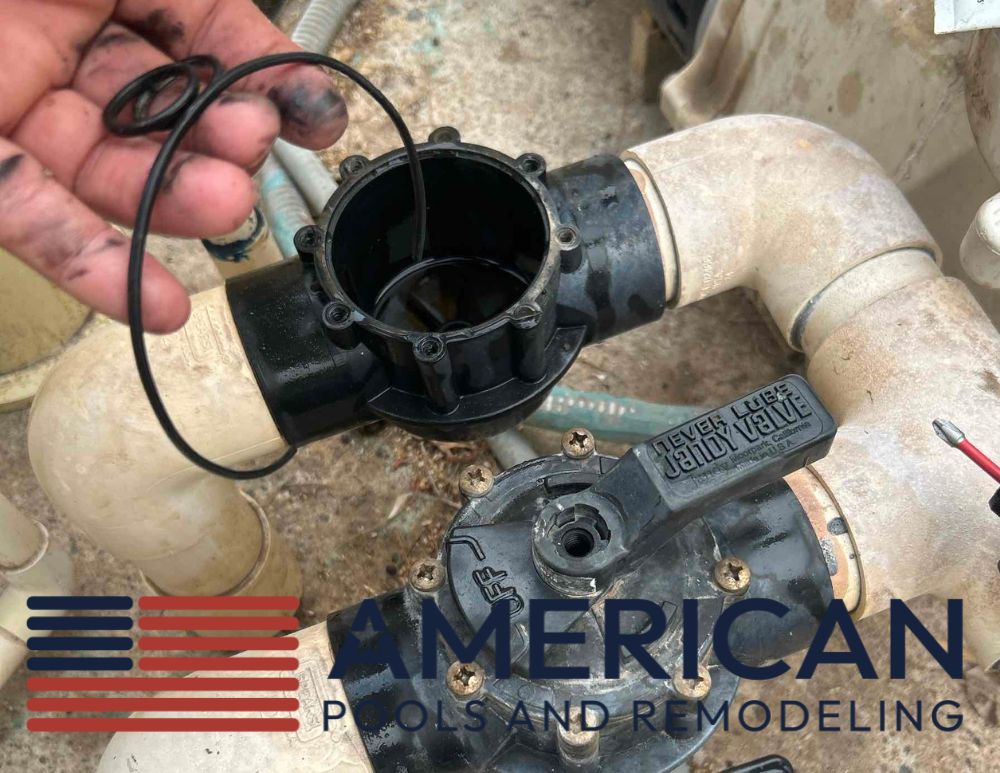
Pump shaft seals, lid O-rings, valve O-rings, and other rubber gaskets gradually lose flexibility after years of heat and UV exposure. As they harden and crack, air and water begin leaking where they shouldn’t.
Common warning signs include:
- Air bubbles returning through the pool returns
- Water leaking beneath the pump
- Difficulty maintaining pump prime
- Suction-side air leaks
Many homeowners don’t realize a simple O-ring can eventually create larger circulation problems. If you’re already seeing bubbles in your return lines, there’s a good chance you’re dealing with air somewhere in the system.
PVC Plumbing Slowly Becomes Brittle
PVC pipe is extremely durable, but Arizona’s sun is relentless.
Years of UV exposure and constant expansion and contraction from extreme temperature swings slowly weaken exposed plumbing. While underground plumbing is protected, exposed fittings and pipes around the equipment pad receive direct sunlight nearly every day.
Eventually you may notice:
- Hairline cracks
- Small leaks
- Brittle fittings
- Failing glued joints
Addressing these problems early usually prevents more extensive plumbing repairs later. Even a small plumbing leak can eventually contribute to water loss that many homeowners initially mistake for evaporation.
Automation Systems Feel the Heat Too
Pool automation systems contain sensitive electronics that operate outdoors year-round.
Circuit boards, relays, displays, sensors, and communication modules are designed for exterior environments, but prolonged Arizona heat still affects electronic components over time.
If your automation system begins losing communication, displays unusual error messages, or controls equipment inconsistently, it’s often better to diagnose the issue early before additional components fail.
Electrical Components Naturally Wear Over Time
Heat affects more than mechanical equipment.
Electrical connections expand and contract every day as temperatures fluctuate. Over time this movement, combined with dust, moisture, and age, can contribute to:
- Loose electrical connections
- Worn capacitors
- Failing contactors
- Corrosion
- Breaker trips
Electrical issues often begin intermittently before becoming complete failures, making routine inspections especially valuable. During inspections, technicians are often able to identify other equipment concerns developing at the same time.
Small Problems Rarely Stay Small
One of the biggest misconceptions homeowners have is assuming everything is fine simply because the pool is still running.
Small warning signs often include:
- A slightly noisy pump
- A slow drip beneath the equipment
- A worn seal or O-ring
- A cracked plumbing fitting
- A loose electrical connection
These issues often continue worsening through Arizona’s hottest months. Addressing them early is almost always less expensive than waiting until multiple components fail together. In many cases, replacing a worn seal or fitting early can prevent much larger repair costs later.
Routine Equipment Inspections Can Save Thousands
Every weekly service visit should include more than water testing.
Your equipment should also be inspected for:
- Leaks
- Motor noise
- Air entering the system
- Worn seals
- Plumbing concerns
- Electrical issues
- Proper circulation
These quick inspections frequently identify developing problems before they leave you without a functioning pool during the middle of summer. A thorough inspection is one of the most important parts of what your service technician should evaluate during every visit.
Protect Your Investment Before Heat Causes Bigger Repairs
Arizona’s climate is demanding, but regular inspections and timely repairs can significantly extend the life of your pool equipment.
Replacing a worn O-ring is far less expensive than replacing a damaged pump. Repairing a small plumbing leak is easier than rebuilding an entire equipment pad. Catching a failing motor early may prevent additional damage to other components.
The sooner small issues are identified, the more repair options homeowners typically have. Keeping equipment in good condition also helps your weekly service visits remain focused on preventive maintenance instead of emergency repairs.
At American Pools & Remodeling, we provide professional equipment diagnostics and repairs throughout Chandler, Gilbert, Mesa, Queen Creek, Tempe, and Ahwatukee. As a licensed, bonded, and insured Arizona contractor, we help homeowners keep their pool equipment operating reliably despite Arizona’s extreme heat.
FAQ
Yes. Arizona's extreme summer temperatures, intense UV exposure, and extended equipment run times can accelerate wear on pumps, motors, seals, PVC plumbing, automation systems, and electrical components. While all equipment eventually wears out, Arizona's climate often shortens its lifespan compared to cooler regions.
Rubber components such as O-rings, shaft seals, and valve seals are often among the first parts to show signs of wear. They can dry out, harden, or crack over time, allowing air or water leaks to develop. Bearings, capacitors, and other moving or electrical components also experience increased wear in Arizona's heat.
Routine inspections, proper water chemistry, timely repairs, and replacing worn components before they fail can significantly extend the life of your pool equipment. Catching small problems early is usually much less expensive than replacing major equipment after a breakdown.
Yes. Many equipment problems develop gradually and don't immediately affect pool operation. A professional inspection can often identify worn seals, plumbing leaks, motor noise, air leaks, or electrical concerns before they lead to larger repairs.
That depends on the age of the equipment, the condition of the individual components, and the cost of the repair. In many cases, replacing a worn seal, valve, or motor can extend the life of the equipment. When multiple components begin failing or equipment has reached the end of its service life, replacement may be the better long-term investment.
Protect Your Pool Equipment from Arizona’s Extreme Heat
Arizona’s climate is demanding on every part of your pool equipment, but many expensive failures can be avoided with routine inspections and timely repairs.
Replacing a worn O-ring today is far less expensive than replacing a damaged pump tomorrow. Repairing a small plumbing leak early can help prevent larger equipment problems, and identifying a failing motor before it completely stops working often gives homeowners more repair options.
At American Pools & Remodeling, we inspect pool equipment during every weekly service visit and provide professional maintenance and repairs throughout Chandler, Gilbert, Mesa, Queen Creek, Tempe, and Ahwatukee. As a licensed, bonded, and insured Arizona contractor, we help homeowners identify small problems before they become costly repairs, keeping pool equipment operating reliably through Arizona’s extreme heat.
American Pools & Remodeling
Licensed • Bonded • Insured
Serving Chandler, Gilbert, Mesa, Queen Creek, and Tempe
Built for Arizona Pools
Comments are closed