

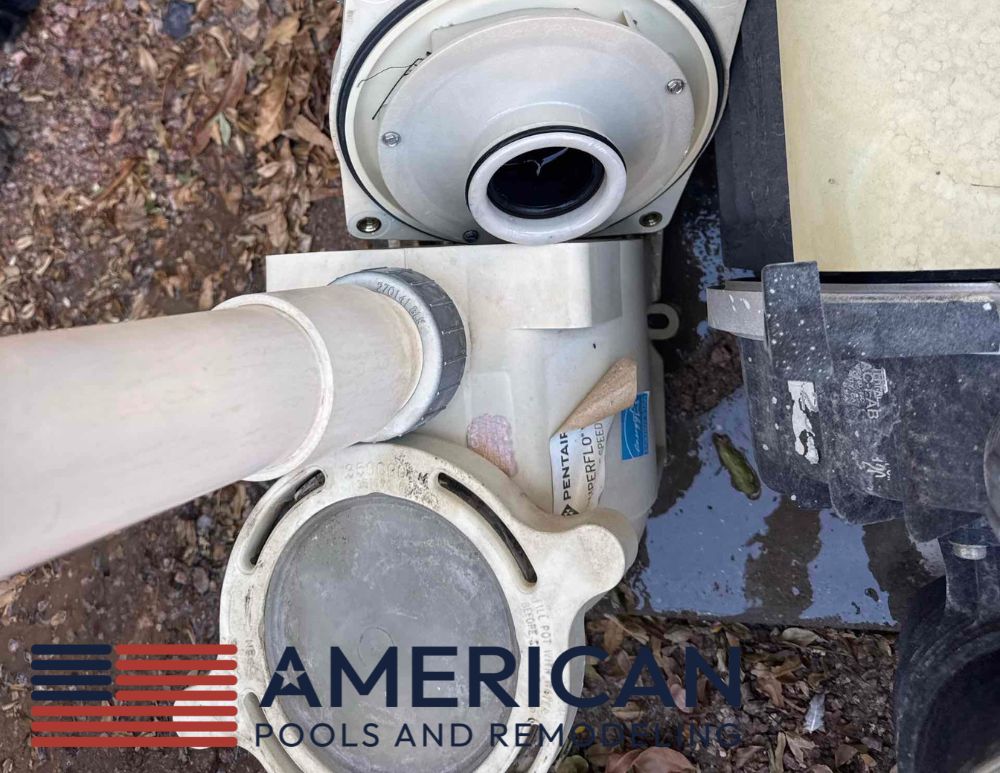
Why Your Pool Pump Gets Louder Over Time in Arizona
If your pool pump has become noticeably louder than it used to be, it’s trying to tell you something. While some noise is normal, a pump that begins whining, grinding, rattling, or humming louder over time often indicates a mechanical issue or a restriction somewhere in the system.
Many Arizona homeowners assume an aging pump simply gets louder with time. In reality, excessive noise usually points to a problem that can often be repaired before it leads to a complete failure.
Because the pool pump is the heart of your circulation system, unusual noise is often signals that something isn’t operating correctly. Many of the same issues that cause excessive pump noise can also lead to pool circulation problems if they aren’t corrected early.
Understanding the most common causes of pump noise can help you address small issues before they become expensive repairs.
A Quiet Pool Pump Shouldn’t Suddenly Become Loud
Pool pumps naturally make some sound while running, but they should operate with a consistent, smooth hum. When the noise changes, it’s usually because something inside the pump or plumbing system has changed.
In many cases, unusual sounds appear alongside other pool equipment replacement warning signs, making an early inspection worthwhile before additional components are affected.
1. Worn Motor Bearings
One of the most common causes of a noisy pool pump is worn motor bearings.
Bearings support the motor shaft and allow it to spin smoothly. As they wear, the motor often develops a high-pitched whining, screeching, or grinding sound that gradually becomes louder.
Unfortunately, worn bearings rarely improve on their own. Ignoring the noise can eventually lead to motor failure, placing additional strain on the rest of your equipment and increasing the likelihood of more extensive repairs.
2. Cavitation From Restricted Water Flow
A pool pump relies on a steady flow of water to operate efficiently. When water cannot reach the pump properly, tiny air bubbles can form and collapse inside the pump. This process, known as cavitation, creates a loud rattling or gravel-like sound.
Restricted flow can be caused by:
- A dirty filter
- Low pool water level
- A clogged pump basket
- Partially closed valves
- Blocked plumbing
Many circulation problems begin with poor water flow. Keeping up with pool filter cleaning and correcting pool circulation problems helps reduce unnecessary strain on your equipment.
A neglected filter doesn’t just reduce water flow. It also forces the pump to work harder, which is one reason your pool filter gets dirty so fast should never be ignored.
3. Air Leaks Can Make the Pump Louder
Air entering the suction side of your pool system can cause both performance issues and additional pump noise.
Common places for air leaks include:
- Pump lid O-ring
- Drain plugs
- Suction plumbing fittings
- Valve seals
If you also notice bubbles coming from your pool returns, the issue may be related to air coming from pool returns, which often indicates air is entering the plumbing before water reaches the pump.
Even a small air leak can reduce circulation efficiency, making it harder to properly distribute sanitizer throughout the pool.
4. A Clogged Impeller Makes the Motor Work Harder
The impeller is responsible for moving water through your circulation system. Small debris such as leaves, palm seeds, hair, or gravel can become lodged inside the impeller over time.
When this happens, the motor must work harder to move water, often producing more vibration and additional noise.
Heavy debris buildup can also increase chlorine demand because poor circulation makes it harder to distribute sanitizer effectively. This is one reason some pools need more chemicals than others.
Regular maintenance and repairs help identify these issues before they develop into larger equipment failures.
5. Older Single-Speed Pumps Are Naturally Louder
Many older Arizona pools still use single-speed pumps. While reliable, these pumps run at full speed every time they operate, making them louder than newer variable-speed models.
As these pumps age, vibration, motor wear, and declining efficiency often increase the overall noise level.
If your pump is older and becoming progressively louder, it may be worth considering pool equipment replacement instead of investing in repeated repairs.
Many homeowners also choose a cartridge filter upgrade and simplified plumbing when replacing older equipment. Updating both systems together often improves circulation, reduces maintenance, and creates a cleaner equipment pad.
When Repair Makes Sense—and When Replacement Is Smarter
Not every noisy pump needs to be replaced.
Repairs often make sense when the problem involves:
- Worn bearings
- A leaking seal
- A clogged impeller
- Minor air leaks
- Loose components
However, replacement is often the better investment when:
- The pump is an older single-speed model.
- The motor has experienced repeated failures.
- Multiple components need replacement.
- Repair costs continue to add up.
A noisy pump is often one of the first signs of pool pump failure and may indicate it’s time to inspect the entire circulation system before a complete breakdown occurs.
If your filter is also showing signs of wear, it may be worthwhile to compare pool filter repair or replacement before investing in multiple separate repairs.
Regular Maintenance Helps Catch Pump Problems Early
Many pump problems develop gradually. Routine inspections often identify small issues before they become expensive repairs.
During professional weekly pool service, technicians routinely inspect:
- Pump operation
- Water flow
- Pump basket condition
- Air leaks
- Filter condition
- Equipment performance
- Unusual sounds or vibration
Knowing what your pool service technician should check every week can help homeowners catch small equipment issues before they become major repairs.
Technicians also verify that your circulation system is moving water efficiently because clear water isn’t balanced if sanitizer isn’t circulating properly throughout the pool.
A properly maintained circulation system places less strain on your pump, extends equipment life, and helps keep your pool operating efficiently throughout the year.
Don’t Ignore a Noisy Pool Pump
Pool pumps rarely become loud without a reason. Whether the cause is worn bearings, restricted water flow, air leaks, or an aging motor, addressing the issue early is usually less expensive than waiting for the pump to fail completely.
Whether your pool needs a simple repair or a complete equipment upgrade, professional maintenance and repairs help extend equipment life, improve efficiency, and reduce unexpected breakdowns.
Frequently Asked Questions About Noisy Pool Pumps
The most common causes include worn motor bearings, restricted water flow, air leaks, clogged impellers, or normal wear on older pumps. A change in noise is usually a sign that something within the system should be inspected.
Yes. A dirty filter restricts water flow, forcing the pump to work harder. This additional strain can increase vibration and create louder operating noise.
Some minor issues may not require immediate replacement, but continued operation can cause additional damage if the underlying problem is ignored. Having the pump inspected early often prevents more expensive repairs.
It depends on the condition of the equipment. Many pumps can be repaired if the issue is identified early. However, replacement may be the better option if the pump is an older single-speed model or multiple components have begun to fail.
Is Your Pool Pump Getting Louder?
Unusual pump noise is often the first warning sign that something isn’t operating correctly. We can determine whether your pump needs a simple repair or if upgrading to newer equipment makes better long-term sense.
American Pools & Remodeling
Licensed • Bonded • Insured
Serving Chandler, Gilbert, Mesa, Queen Creek, and Tempe
Built for Arizona Pools
Comments are closed