

5 Common Winter Pool Repairs in Arizona and Why They Matter
Arizona winters may bring cooler temperatures and less swimming activity, but pool problems don’t disappear when summer ends. Equipment continues running, surfaces remain exposed to the elements, and small issues can develop into larger repairs.
Winter is a practical time to identify and address common pool repairs in Arizona. From aging pumps and plumbing leaks to damaged tile and worn interior finishes, early attention can help prevent additional damage.
For homeowners in Chandler, Gilbert, Mesa, Queen Creek, Tempe, and Ahwatukee, addressing these problems before warmer weather returns can make a difference.
1. Pool Pump and Motor Problems
Pool pumps operate throughout the year in Arizona, even when swimming activity slows. After months of extreme summer heat, aging components may begin showing signs of wear.
Common warning signs include:
- Unusual humming, grinding, or rattling
- Water leaking around the pump
- Reduced circulation or inconsistent water flow
- Difficulty starting or unexpected shutdowns
A pool pump that becomes louder over time may have worn bearings, motor problems, or other mechanical issues.
Not every pump problem requires replacement. Identifying the cause early can help determine whether a repair is practical or a new pump would provide better long-term reliability.
2. Leaking Pool Plumbing and Valves
Pool plumbing and valves experience constant exposure to water, pressure, temperature changes, and Arizona’s demanding outdoor conditions.
Over time, seals, fittings, and connections can deteriorate. Small leaks may develop around equipment or underground plumbing.
Common signs include water collecting near equipment, unexplained water loss, air entering the circulation system, or reduced flow.
Even minor leaks deserve attention. Worn pool equipment O-rings and seals can contribute to water leaks, air leaks, and circulation problems.
Addressing plumbing issues during winter can help prevent unnecessary water loss and additional equipment damage.
3. Damaged Pool Tile and Waterline Problems
Arizona’s hard water, mineral buildup, and changing weather conditions can affect pool tile throughout the year.
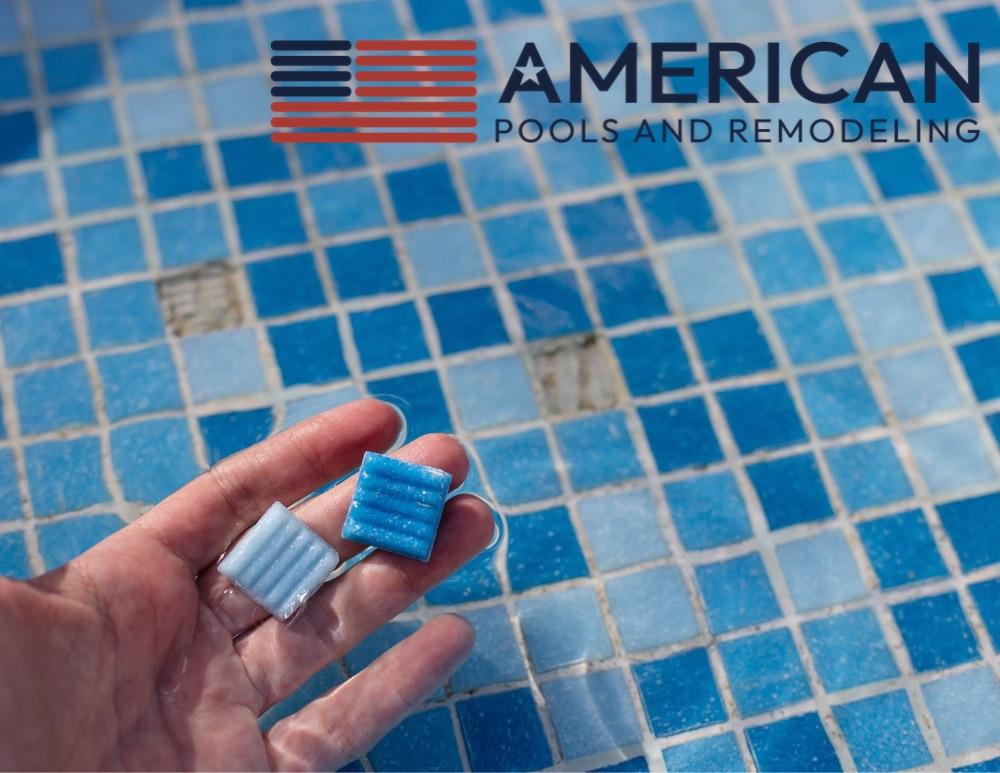
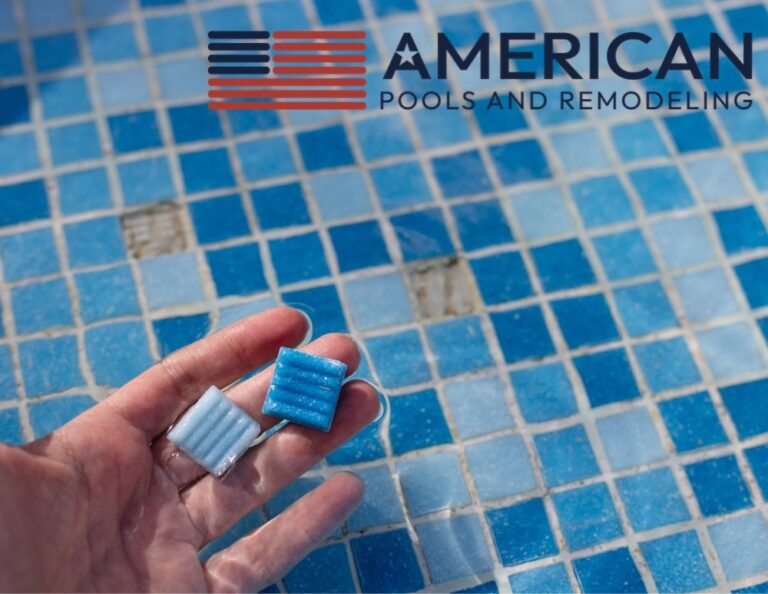
Homeowners may notice loose tiles, deteriorating grout, calcium deposits, or visible damage around the waterline.
Not every tile problem requires replacement. Some pools simply need professional cleaning to remove mineral deposits and restore their appearance.
However, loose or damaged tile may indicate an underlying problem that needs repair.
Winter is also a convenient time for professional pool tile cleaning in Arizona, especially when swimming activity is limited.
Evaluating tile condition early can help homeowners determine whether cleaning, repairs, or replacement would be most appropriate.
4. Worn Pool Surfaces and Interior Damage
Pool interiors experience years of exposure to chemicals, minerals, sunlight, and changing water conditions.
Over time, plaster and pebble finishes can develop rough areas, staining, discoloration, or other signs of deterioration.
Some cosmetic problems can be addressed through professional cleaning or surface treatments. More extensive wear may require resurfacing.
Arizona’s cooler months can provide a practical opportunity to evaluate these conditions before the next swimming season.
For pools with significant surface deterioration, winter pool remodeling in Arizona may be worth considering.
The appropriate solution depends on the pool’s age, existing finish, and overall condition.
5. Clogged Impellers and Circulation Problems
Pool circulation problems aren’t always caused by a failing pump.
Leaves, debris, and other material can sometimes restrict the pump impeller or affect water movement through the system.
Homeowners may notice weaker return flow, reduced cleaner performance, unusual pump operation, or changes in filter pressure.
These symptoms can also indicate filter restrictions, valve problems, or other equipment issues.
Because several problems can produce similar symptoms, identifying the actual cause is important before replacing equipment.
Small circulation issues can become more expensive when ignored. Delaying pool equipment repairs may place additional stress on other system components.
Why Winter Is a Good Time to Address Pool Repairs
Arizona pools don’t have a traditional off-season. Even when temperatures drop, circulation, filtration, and proper water chemistry remain essential.
Winter offers several practical advantages for addressing existing problems.
Less disruption to swimming. With fewer homeowners using their pools regularly, repairs may be easier to accommodate.
Time to evaluate equipment. Aging pumps, filters, valves, and plumbing can be assessed before warmer weather increases pool activity.
Preventing additional damage. Addressing leaks, circulation restrictions, and deteriorating components early may reduce the risk of more extensive repairs.
Preparing for spring. Completing necessary work during winter helps homeowners avoid discovering problems when swimming season returns.
Consistent winter pool maintenance in Arizona remains important because cooler temperatures don’t eliminate the need for proper pool care.
When Does a Pool Repair Become a Larger Renovation?
Not every pool problem requires a major renovation.
A leaking valve, worn pump seal, or clogged impeller may need a relatively straightforward repair. However, extensive surface deterioration, failing tile, or recurring equipment problems may justify larger improvements.
The decision should depend on the condition of the pool, the extent of the damage, and the long-term value of the proposed work.
For older pools, addressing multiple issues together may sometimes be more practical than completing repeated repairs.
Professional evaluation helps determine whether targeted repairs or more extensive improvements make sense.
Common Questions About Winter Pool Repairs in Arizona
Arizona homeowners often have questions about pool repairs during the cooler months. Here are answers to common concerns about equipment, tile, surfaces, and winter maintenance.
Yes. Cooler months can be a convenient time to address equipment problems, damaged tile, and worn pool surfaces before swimming activity increases.
Common repairs include leaking plumbing, failing pumps, clogged impellers, damaged pool tile, and deteriorating interior finishes.
Yes. Pumps, filters, valves, and plumbing continue operating throughout winter. Cooler temperatures don't prevent mechanical wear, leaks, or circulation problems.
Missing or loose tiles should be evaluated promptly. Addressing damaged tile early can help prevent additional deterioration and more extensive repairs.
It depends on the equipment's age, condition, and repair costs. Some problems require minor repairs, while repeated failures or extensive damage may justify replacement.
Some cosmetic issues may be able to wait, but leaks, circulation problems, and failing equipment should be addressed promptly to avoid additional damage.
Professional Pool Repairs in Chandler, Gilbert, Mesa & the East Valley
Small pool problems can become costly repairs when left unaddressed. Whether you’re dealing with leaking plumbing, failing equipment, damaged tile, or worn pool surfaces, addressing issues early can help protect your investment and prevent additional damage.
At American Pools & Remodeling, we provide professional pool maintenance, repairs, and remodeling services throughout Chandler, Gilbert, Mesa, Queen Creek, Tempe, and Ahwatukee. Our experienced team can evaluate your pool’s condition and recommend practical solutions to keep it operating reliably year-round.
Don’t wait until swimming season to address pool problems. Contact American Pools & Remodeling to discuss your repair needs or request an estimate online.
American Pools & Remodeling
Licensed • Bonded • Insured
AZ ROC 354926 • 355295 • 349040 • 349034
Proudly Serving the East Valley
Built for Arizona Pools
Comments are closed