

Why Pools Start Looking Outdated in Arizona (Even When Nothing Is Broken)
Most pool issues in Arizona are not structural—they are visual.
The system may still be running properly. The pool may still be holding water. But over time, the overall appearance begins to change.
Colors fade. Finishes wear down. The design starts to feel disconnected from the rest of the yard.
This is typically when homeowners begin considering a remodel, even though nothing has technically failed.
At that point, many start deciding whether it’s worth continuing repairs or moving forward with a remodel.
This pattern is common with outdated pool design in Arizona, where materials and finishes show age long before they stop functioning.
Many homeowners at this stage start reviewing real before and after pool remodels to understand what updated options can look like.
Arizona conditions accelerate this process more than most people expect.
What Causes Outdated Pool Design in Arizona?
Heat, UV exposure, evaporation, and hard water all contribute to the gradual aging of pool surfaces and materials.
In other climates, finishes may hold their appearance longer. In Arizona, these same materials often show wear much sooner.
The result is a pool that still works—but no longer reflects the overall quality of the space.
It is also common for visual wear to appear alongside the same conditions that impact pool chemicals in Arizona heat, where water balance becomes more difficult to maintain over time.
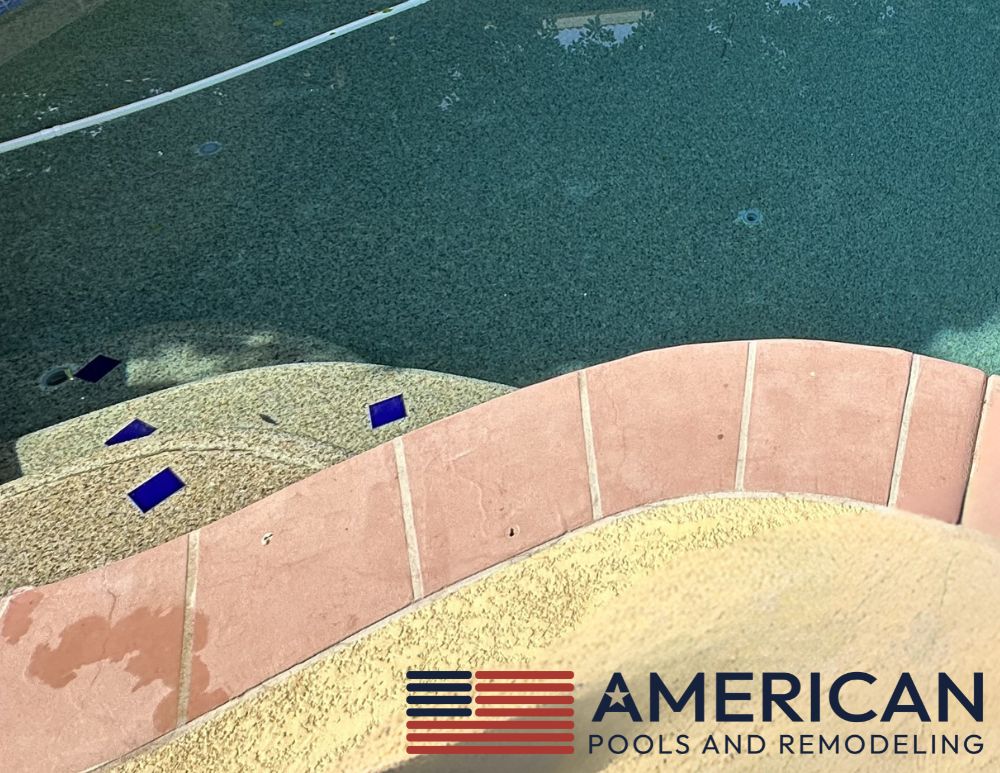
Faded or Blotchy Plaster Changes the Overall Appearance
Surface condition plays a major role in how a pool looks.
Over time, pool surfaces begin to fade due to constant sun exposure and chemical interaction.
Common signs include:
• Loss of original color
• Uneven or blotchy appearance
• Light staining or discoloration
Even when the surface is still structurally sound, these changes can make the entire pool appear older.
This is often when homeowners begin exploring pool resurfacing to restore a consistent and updated finish.
As resurfacing becomes part of the conversation, many compare material options such as pebble or plaster to determine what best fits their goals for durability and appearance.
Over time, fading surfaces often appear alongside calcium buildup, which can make the overall finish look even more worn.
Waterline Tile Often Becomes Visibly Outdated
Waterline tile is one of the most noticeable elements of the pool.
As it ages, it tends to show:
• Calcium accumulation
• Fading or discoloration
• Outdated patterns or color choices
Even with consistent maintenance, older tile styles can make an otherwise functional pool appear dated.
Replacing waterline tile is one of the more efficient ways to improve the overall look without modifying the structure of the pool.
Short-term improvements such as acid washing may help with buildup, but they do not address long-term wear or outdated design.
Pool Decking Can Affect the Entire Space
The surrounding deck plays a significant role in how the pool area is perceived.
In Arizona, cool deck surfaces commonly begin to:
• Discolor or fade
• Show signs of patch repairs
• Lose texture or consistency
• Contrast with newer landscaping or finishes
When the deck no longer matches the pool or surrounding space, the entire area can feel dated.
This is where pool decking upgrades can significantly improve the overall appearance.
In more advanced situations, visible wear may also align with underlying movement such as deck cracking and lifting.
Older Design Features Can Make Pools Feel Dated
Design preferences change over time, especially in outdoor spaces.
Some pools include features such as:
• Raised bond beams with traditional tile
• More defined or geometric shapes
• Less integration with surrounding landscaping
These elements are not inherently outdated, and many homeowners still prefer this style.
However, when combined with aging finishes or newer updates around the home, they can make the pool feel less consistent with the overall space.
In many remodels, the goal is not to remove these features, but to update the finishes and integrate them more naturally into the overall design.
Layout and Function May No Longer Match How the Space Is Used
Older pool designs were often built with different priorities.
Today, many homeowners prefer:
• More usable deck space
• Better flow between the pool and patio
• Integrated features such as seating or outdoor living areas
When the layout does not align with how the space is used, the pool can begin to feel outdated.
At this stage, remodeling often focuses on improving both layout and usability, while also addressing how the pool performs day to day.
Visual updates are typically done alongside upgrades to key components, especially when the existing equipment is no longer keeping up or creating ongoing issues.
Many projects also extend beyond the pool itself, incorporating features like seating areas or a BBQ during a pool remodel to create a more complete and functional backyard.
Lighting Can Date a Pool More Than Expected
Lighting is often overlooked but has a noticeable impact on overall appearance.
Older lighting systems may be:
• Dim or uneven
• Limited in functionality
• Less reliable over time
Upgrading to LED pool lighting can improve both visibility and overall presentation, particularly in the evening.
Incremental Updates Can Lead to an Inconsistent Look
Many pools are updated in stages over time.
Individual repairs or small upgrades can result in:
• Mismatched materials
• Inconsistent colors or finishes
• A lack of cohesion between elements
When these changes accumulate, the pool area may feel disconnected.
Reviewing recent completed remodels helps illustrate how a coordinated approach can create a more consistent and updated result.
Remodeling Often Begins Before Anything Fails
Most homeowners do not wait for a system failure before making changes.
The decision to remodel often starts when the pool no longer meets expectations visually or functionally.
Addressing these changes early allows for better planning and more flexibility in design.
Even with consistent weekly pool service, natural wear and environmental conditions will continue to affect the appearance of the pool over time.
FAQ: Outdated Pool Design in Arizona
If surfaces appear faded, tile looks dated, or the deck shows discoloration, these are typically signs of aging materials rather than surface-level debris.
Not always. Some elements can be updated individually, although combining improvements often results in a more consistent appearance.
It can influence overall perception of the property, particularly in outdoor living areas.
Yes. Planning improvements in advance allows for more flexibility and avoids reactive decisions.
Upgrade Your Pool with a Clear Plan
An outdated appearance is usually the result of multiple elements aging at the same time.
Evaluating the pool as a whole allows for better decisions about what should be updated and when.
Get Expert Pool Remodeling in the East Valley
Work with a licensed Arizona contractor to modernize your pool with materials and design choices suited for local conditions. Every recommendation is based on your pool’s current condition, layout, and long-term performance.
✔ Licensed Arizona contractor
✔ Remodeling focused on long-term durability
✔ Transparent recommendations and pricing
✔ Built for Arizona conditions
American Pools & Remodeling
Licensed • Bonded • Insured
Serving Chandler, Gilbert, Mesa, Queen Creek, and Tempe
Built for Arizona Pools
Comments are closed