

Pool Pumps, Heaters & Equipment in Winter: What Arizona Pool Owners Should (and Shouldn’t) Change
Winter is one of the most misunderstood months for pool equipment in Arizona. Cooler air temperatures often lead homeowners to assume their pool systems should be turned down—or even turned off altogether. In reality, most mid-winter equipment issues we see come from well-intentioned adjustments that go too far.
Understanding what to adjust—and what to leave alone—can help protect your equipment, maintain water quality, and avoid unnecessary repair calls later in the season.
Is Your Pool Pump Running Too Much in January?
It’s common for Arizona pool owners to question pump run time in January. With fewer swimmers and cooler water, the assumption is that circulation demands drop dramatically. While water temperature does affect chlorine demand, circulation is still critical year-round.
Your pump isn’t just moving water for sanitation—it’s protecting plumbing, supporting your filter, and keeping water evenly mixed. Cutting run time too aggressively can lead to poor circulation, algae growth, and debris settling in low-flow areas.
If your pump isn’t circulating properly or you’re unsure whether your current settings are helping or hurting your system, professional pool equipment repair and diagnostics can identify issues before they lead to larger failures.
Should You Reduce Pool Pump Run Time in Winter?
This is one of the most common questions we hear, and the answer is sometimes—but carefully.
Minor reductions may be appropriate depending on pool size, equipment type, and whether you’re running a variable-speed pump. However, reducing run time too much often creates more problems than it solves. We frequently see winter algae blooms, cloudy water, and salt system issues caused by insufficient circulation.
Adjusting pump run time without understanding your system’s flow requirements can create circulation problems, which is why many homeowners turn to professional pool pump repair and optimization instead of guessing.
Salt pools are especially sensitive during cooler months. Many salt cells already reduce output as water temperatures drop. When pump run time is reduced at the same time, chlorine production can fall below what the pool actually needs—even in winter.
The goal isn’t to run your pump less just because it’s January. The goal is to run it correctly for your system and conditions.
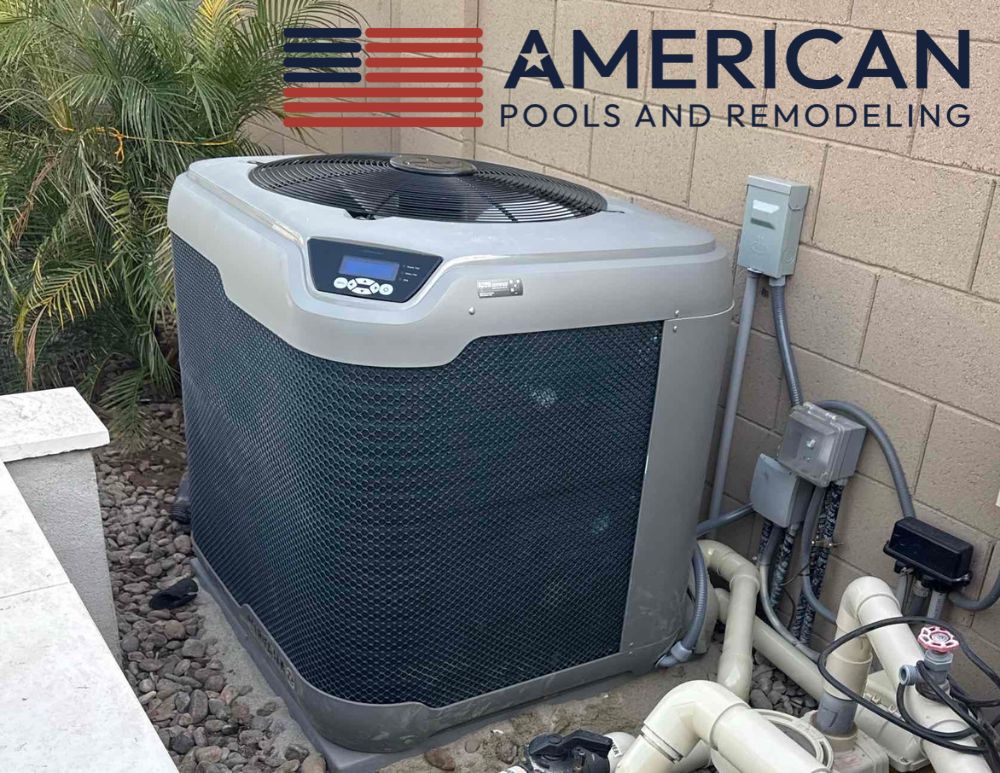
Signs Your Pool Heater Needs Service
January is when heater problems tend to surface. Even if your heater hasn’t been used heavily, cooler nights can reveal underlying issues that went unnoticed during warmer months.
When these symptoms appear, scheduling pool heater service and repair early can prevent more expensive damage once swim season approaches.
Some common warning signs include inconsistent heating, unusual noises during startup, frequent shutdowns, or failure to maintain temperature. Ignoring early heater issues often leads to larger repairs once demand increases in spring.
Heaters rely on proper water flow, clean filtration, and well-maintained components. Winter is actually an ideal time to address heater issues before peak swim season arrives.
What You Shouldn’t Change in January
One of the biggest mistakes we see is homeowners making multiple equipment changes at once—adjusting pump speeds, reducing run times, changing heater settings, and modifying automation schedules simultaneously. When something goes wrong, it becomes difficult to identify the cause.
Making several adjustments at once often leads homeowners to request a full pool equipment system evaluation after problems develop later.
January is not the time to experiment aggressively with your pool equipment. Most systems are designed to operate year-round in Arizona conditions, and consistency is often more important than squeezing out minimal short-term savings.
Why Proper Winter Equipment Management Matters
Many winter equipment failures aren’t caused by cold weather—they’re caused by improper settings. Reduced circulation, neglected heaters, and underperforming systems often lead to spring startups filled with avoidable repairs.
Ongoing pool maintenance and repair services help ensure pumps, heaters, and filtration systems continue operating correctly throughout the winter months.
This is also where working with a licensed pool contractor matters. Licensed professionals understand how Arizona’s winter conditions affect pool equipment—and how to make adjustments without creating long-term issues.
Final Thoughts
January doesn’t require dramatic changes to your pool equipment—but it does require informed ones. Proper circulation, consistent settings, and early attention to heater issues can make the difference between a smooth spring transition and costly repairs.
If you’re unsure whether your current setup is helping or hurting your system, having it evaluated before peak season is always a smart move.
Pool Equipment Questions Arizona Homeowners Ask in Winter
No. Even in January, your pool needs consistent circulation to maintain water quality and protect plumbing. Turning the pump off completely often leads to algae growth and equipment issues.
Sometimes, but only slightly and only if your system allows it. Reducing run time too much can affect filtration, salt chlorine production, and overall water balance.
Cooler air temperatures can expose flow issues, dirty filters, or failing components. If your heater struggles to maintain temperature or shuts off unexpectedly, it may need professional service.
Yes. Salt systems already produce less chlorine in cooler water, so proper circulation is still essential to keep the pool clean and balanced.
Yes. Winter is an ideal time to address equipment concerns before spring demand increases and small issues turn into larger repairs.
Comments are closed